
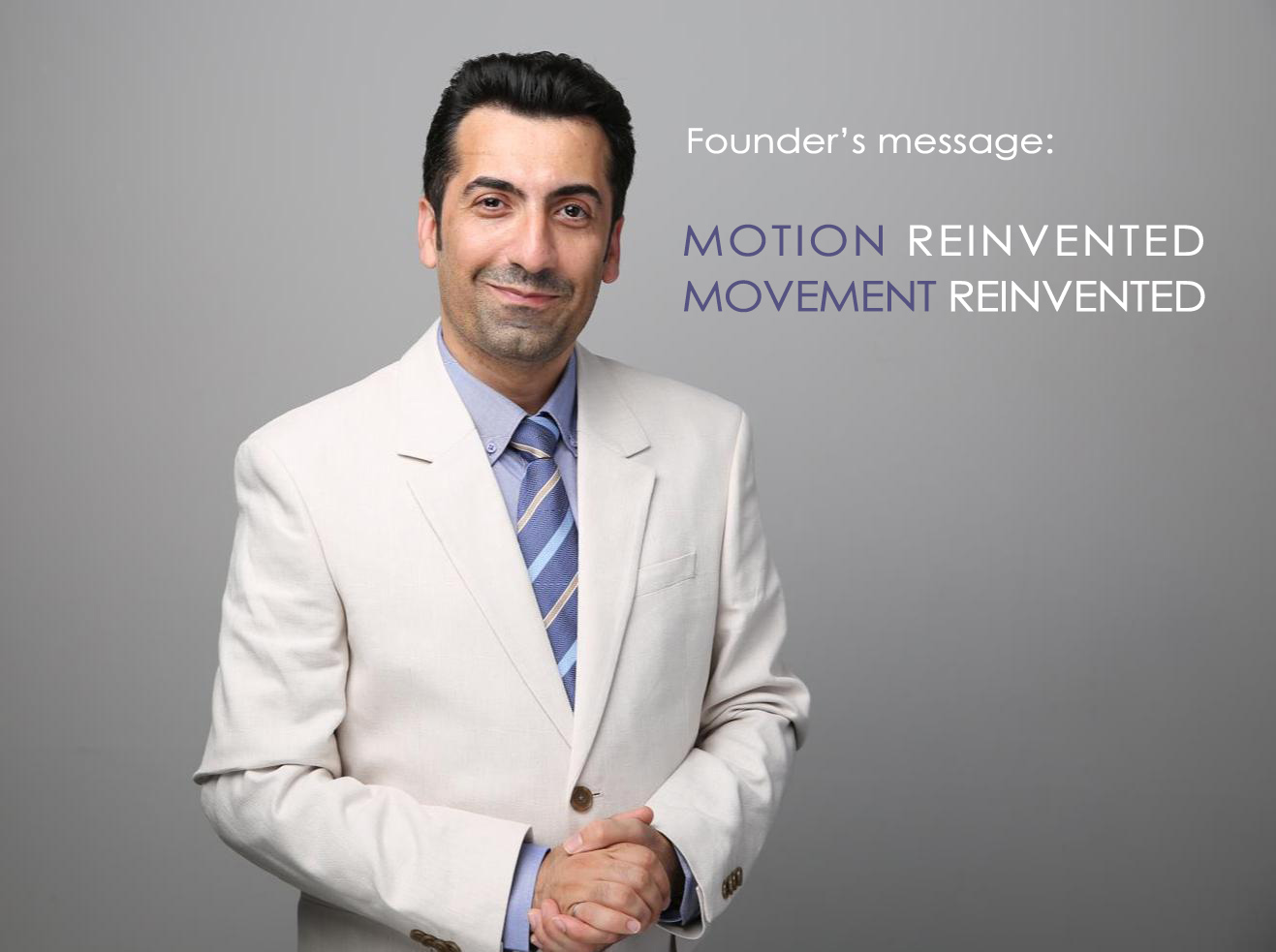
Analysis of Bahmani’s Revolutionary Propulsion System and Its European Patent Grant
Bahmani’s innovative propulsion system—recently awarded a patent grant by the European Patent Office (EPO)—marks a significant milestone in the advancement of urban aerial mobility. This article examines the credibility of the invention, the rigorous process required to obtain a European patent, and the potential impact of this technology on the future of sustainable air transportation.
Transforming Urban Aerial Mobility
The system introduced by Bahmani addresses several major challenges currently limiting the widespread adoption of cargo drones and air taxis. Existing aerial platforms often rely on large-diameter propellers that create high levels of noise, require wide operational clearance, and pose safety hazards in urban environments. Furthermore, the efficiency of conventional propulsion systems restricts flight duration, limiting commercial viability.
Bahmani’s propulsion technology aims to overcome these obstacles by offering a quieter, more compact, and more efficient alternative. If implemented at scale, this breakthrough could significantly enhance the safety, sustainability, and practicality of urban air mobility systems.
The European Patent Office Process
Obtaining a European patent is an extensive and highly selective procedure. The granting process typically spans three to five years, and in some cases even longer. Throughout this period, an invention undergoes rigorous scrutiny conducted by multiple experts in the relevant technical field. Only innovations that meet the EPO’s exacting standards qualify for patent protection.
To be eligible, an invention must fully satisfy three fundamental criteria:
1. Novelty
An invention must be entirely new—meaning it has not been publicly disclosed anywhere in the world before the filing date. Any prior exhibition, publication, online appearance, or demonstration by any individual or organization could invalidate this requirement.
2. Inventive Step (Non-Obviousness)
The invention must not be obvious to a professional skilled in the relevant field. Simply modifying an existing technology or making an expected improvement does not meet this criterion. The inventive step must demonstrate a distinct and non-obvious technical advancement.
3. Industrial Applicability
The invention must be functional, practical, and capable of addressing a real-world problem within a specific industry. Claims that are not proven or lack meaningful application fail to meet this standard.
Expert Evaluation
Examiners at the EPO are highly qualified specialists—typically holding at least a master’s degree in engineering, physics, science, or another relevant technical discipline. For each application, three examiners with expertise in the invention’s subject matter are assigned to independently evaluate its merit.
A patent is granted only when all three examiners unanimously conclude that the invention satisfies the criteria of novelty, inventive step, and industrial applicability. This ensures that every granted European patent represents a validated and credible technological contribution.
A Significant Achievement
Securing a European patent is an exceptionally challenging accomplishment, requiring an invention to be both technically sound and genuinely innovative. The successful grant of Bahmani’s propulsion system patent indicates that the technology has been thoroughly examined and verified as functional, non-obvious, and entirely novel.
It is a source of pride for the Iranian community that Mr. Bahmani, together with his co-inventor Mr. Vafaey, has navigated this demanding process and earned a prestigious European patent through determination, expertise, and innovation.